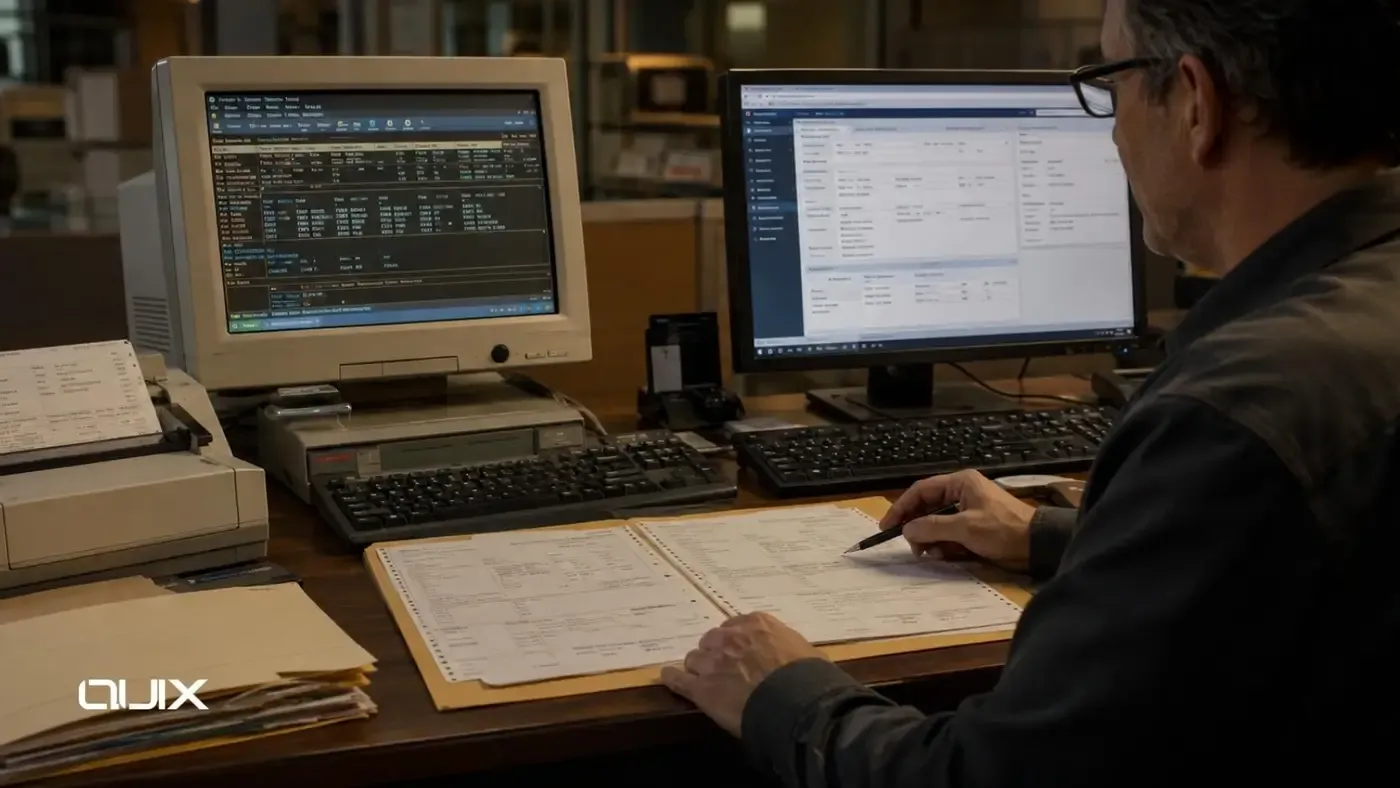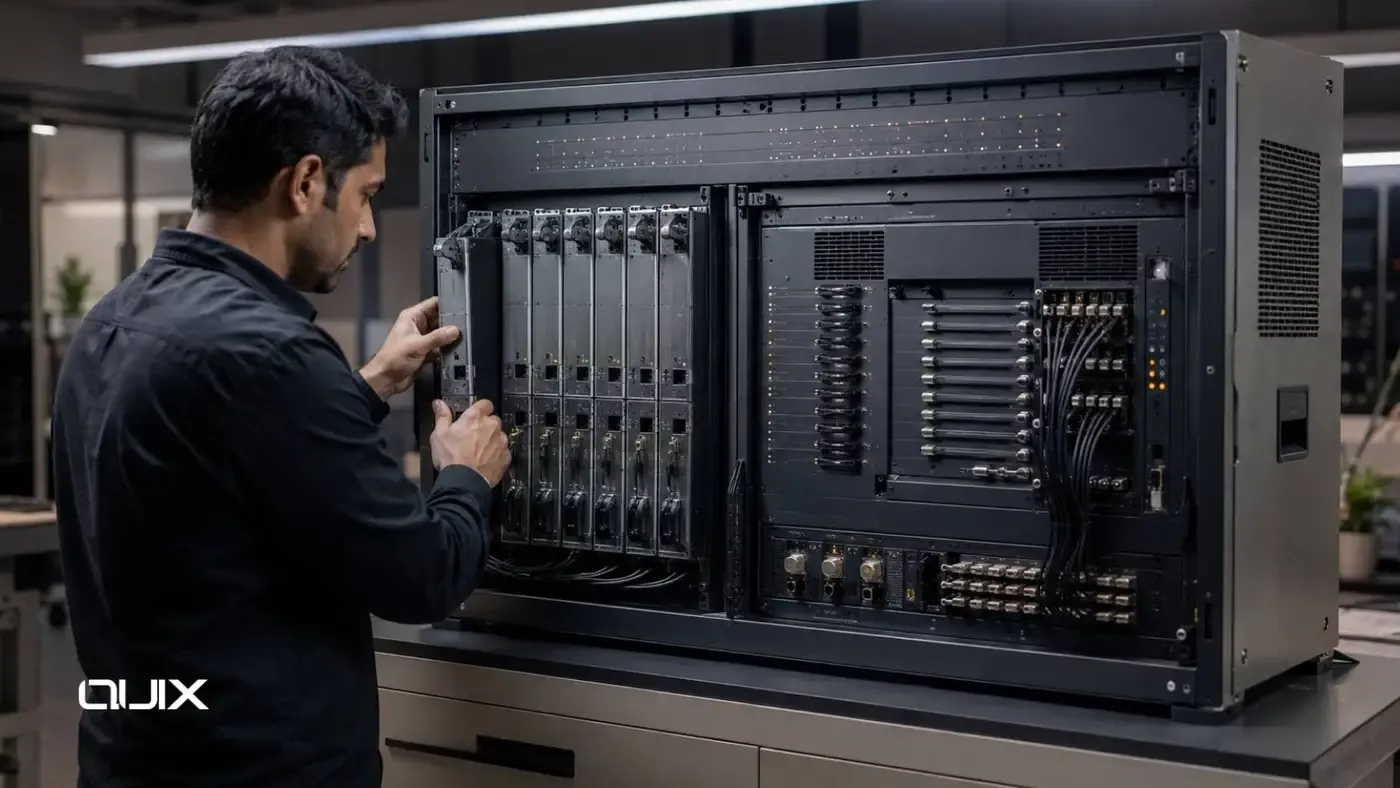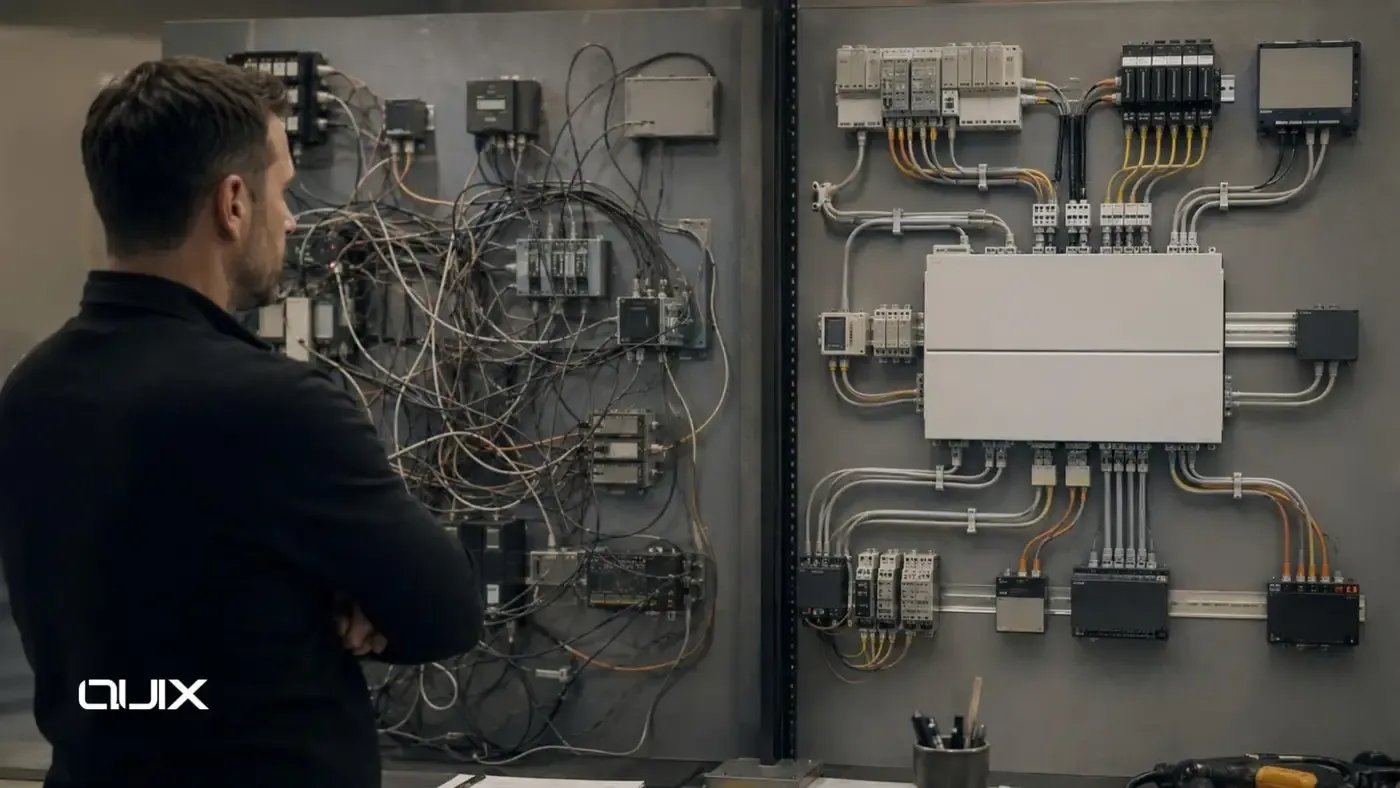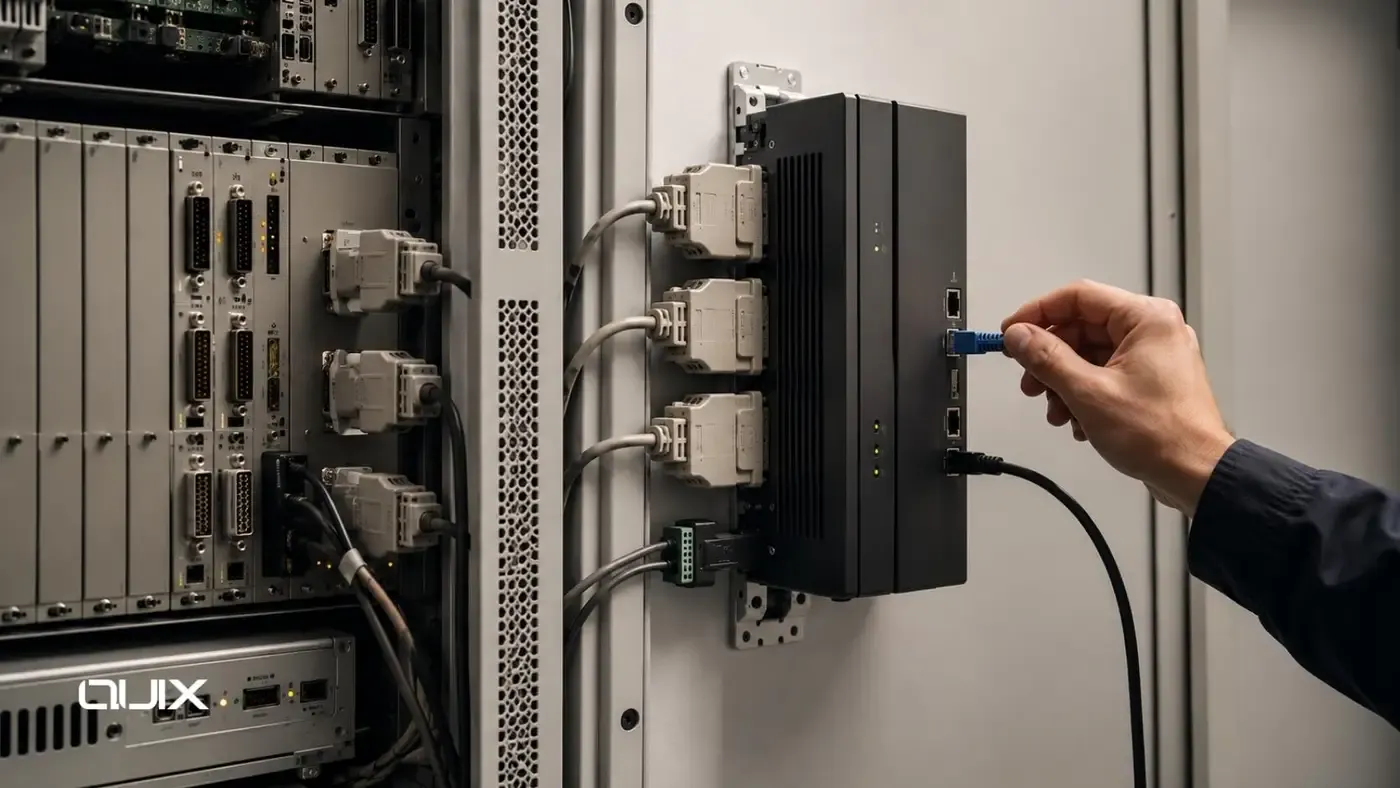
Legacy systems hold the institutional knowledge of the business. They contain years of transaction history, accumulated business logic, regulatory compliance configurations, and operational data that the organization cannot easily replicate. They also prevent the business from accessing the cloud-native capabilities, real-time data flows, and AI infrastructure that modern operations require.
The answer is rarely to choose between keeping the legacy system and accessing modern capabilities. The more accurate framing is: how do we connect what we have to what we need, without disrupting the operations that depend on both?
Executive Summary
Integrating legacy systems with modern cloud platforms requires navigating the technical constraints of legacy architecture — limited API exposure, proprietary data formats, on-premise infrastructure, aging security models — while maintaining operational continuity and designing toward a target architecture that can support cloud-native capabilities, modern analytics, and AI.
This article covers the main integration approaches for legacy-to-cloud connectivity, the constraints that shape integration design, the security and compliance requirements that govern it, and a practical roadmap and decision matrix for choosing between integrate, wrap, replace, and rebuild as the modernization strategy for each legacy component.
Why Legacy Integration Is Different from Standard Integration
Standard enterprise integration assumes that both systems expose modern, well-documented APIs. Legacy systems frequently do not. The integration challenges introduced by legacy architecture include several dimensions that modern system integration does not face.
Limited or absent API exposure is the most common constraint. Many legacy systems were built before APIs were the standard interface for enterprise software. They communicate through proprietary protocols, flat file transfers, database-level connections, or legacy messaging formats (SOAP, EDI, fixed-width files) that require specialized handling.
On-premise infrastructure creates network connectivity requirements that cloud-native integration tools do not always accommodate. Connecting a cloud platform to an on-premise legacy system typically requires either exposing the on-premise system through a secure outbound connection, deploying an integration agent within the legacy infrastructure perimeter, or using a hybrid integration layer that bridges on-premise and cloud environments.
Proprietary data formats in legacy systems often require data transformation that goes beyond field mapping. A legacy system that stores dates as seven-digit Julian calendar values, customer identifiers in a format that includes embedded location codes, or financial amounts in packed decimal format requires transformation logic that must be accurately specified before integration can be implemented.
Change risk is higher in legacy systems because the codebase is often undocumented, the business logic is not explicitly stated, and testing coverage is limited. Changes to a legacy system's integration interface — even well-intentioned ones — can have unpredictable effects on dependent processes.
Four Integration Approaches for Legacy-to-Cloud Connectivity
Direct Integration
Direct integration connects the legacy system to the cloud platform through a custom-built integration layer that handles the protocol translation, data transformation, and connectivity requirements specific to the legacy system.
This approach is appropriate when the legacy system must remain the system of record for the data it manages, when operational continuity requires the legacy system to continue functioning as it does today, and when the data the cloud platform needs can be reliably extracted from the legacy system through its existing interfaces.
API Wrapping
API wrapping involves building a modern API layer in front of the legacy system that exposes its functionality through contemporary interfaces (RESTful APIs, webhooks, event streams) without modifying the legacy system itself. Cloud platforms and modern tools then integrate with the API wrapper rather than directly with the legacy system.
This approach creates a stable integration surface that can evolve as the underlying legacy system is eventually replaced, without requiring the consuming systems to change their integration logic. The API wrapper becomes the integration contract; what is behind it can be swapped without downstream disruption.
Data Extraction and Replication
For scenarios where the cloud platform needs access to legacy data for analytics, AI, or reporting purposes without requiring real-time operational connectivity, data extraction and replication synchronizes legacy data to a cloud-accessible data store on a scheduled or event-triggered basis.
This approach is lower risk than operational integration because it does not affect the legacy system's transaction processing. It is appropriate for analytics and AI use cases, but does not address the need for real-time operational data access or cross-system workflow automation.
Hybrid Architecture
Hybrid architecture keeps the legacy system in place for its core operational functions while building cloud-native capabilities around it for new workflows, analytics, AI, and user experience. The two environments are connected through integration bridges that translate between legacy and cloud data formats and protocols.
Hybrid architecture is often the most practical choice for large enterprises with deeply embedded legacy systems, where the cost and risk of full replacement is prohibitive but the need for cloud-native capabilities is urgent. It enables the organization to build new capabilities without a complete cutover, while creating the integration infrastructure that will eventually support a phased migration.
Integrate, Wrap, Replace or Rebuild: Decision Matrix
For each legacy system component, choose the modernization approach based on the following criteria.
|
Criteria |
Integrate |
Wrap with API |
Replace |
Rebuild |
|---|---|---|---|---|
|
Operational criticality |
High — must keep running |
High — keep stable, modernize interface |
Medium — acceptable migration risk |
High — but current architecture unacceptable |
|
API/interface exposure |
Has usable interfaces |
No modern interface |
Has migration path |
No interface, full redesign needed |
|
Data complexity |
Manageable transformation |
Complex, isolate behind wrapper |
High — migration plan needed |
Very high — redesign data model |
|
AI/cloud readiness requirement |
Partial — improve through integration |
Partial — expose through wrapper |
Full — replacement platform supports it |
Full — design from scratch |
|
Change risk tolerance |
Low |
Very low |
Medium |
Low during build, high at cutover |
Security and Compliance in Legacy Integration
Legacy systems frequently predate modern security standards. Their authentication models may not support OAuth 2.0 or modern token-based access. Their encryption capabilities may not meet current standards for data in transit. Their audit trail capabilities may not produce the logging format that cloud security and compliance tools expect.
Legacy-to-cloud integration must include a security design layer that compensates for these gaps. This typically involves: terminating legacy authentication at the integration layer and translating to modern credentials for cloud-platform access; encrypting data in transit between the legacy and cloud environments at the integration layer even if the legacy system cannot perform this encryption natively; and implementing audit logging at the integration layer that captures events the legacy system does not log.
Compliance requirements must be mapped to specific integration design decisions before implementation begins. For regulated industries — financial services, healthcare, insurance, public sector — the integration layer may need to maintain specific data residency, access control, and audit trail standards that affect where the integration infrastructure is deployed and how it handles data.
The Legacy-to-Cloud Integration Roadmap
Legacy-to-cloud integration is a phased program, not a single project. The roadmap should be designed to deliver operational value at each stage while progressively reducing dependence on legacy constraints.
Phase 1: Discovery and Architecture
Inventory legacy system capabilities, interfaces, data formats, and operational dependencies. Define the target cloud architecture. Map the integration requirements for each legacy component. Choose the integration approach (integrate, wrap, replace, or rebuild) for each component based on the decision matrix above.
Phase 2: Connectivity and Wrapping
Establish network connectivity between legacy and cloud environments. Build API wrappers for legacy components that will be accessed by cloud systems. Implement the security layer at the integration boundary. Validate data format transformation logic for each integration flow.
Phase 3: Data Access and Analytics
Enable cloud platform access to legacy data for analytics, reporting, and AI use cases through replication or real-time integration flows. Establish data quality monitoring at the legacy-cloud boundary. Build the unified analytics views that combine legacy and cloud-native data.
Phase 4: Workflow Automation and AI Enablement
Build cross-environment workflow automations that span legacy and cloud systems. Enable AI use cases that require access to legacy data and operational context. Monitor operational performance of the hybrid architecture and identify components ready for full migration.
Phase 5: Phased Legacy Retirement
As cloud-native replacements are validated in production, progressively retire legacy components. Redirect integration traffic from the legacy system to the cloud platform. Decommission legacy infrastructure once the cloud replacement has demonstrated operational stability over an adequate validation period.
FAQ
What makes legacy system integration different from standard enterprise integration?
Legacy systems often lack modern APIs, use proprietary data formats, run on on-premise infrastructure, and have undocumented business logic. These constraints require specialized integration approaches — API wrapping, protocol translation, data extraction layers — that standard cloud-to-cloud integration does not need.
What is API wrapping for legacy systems?
API wrapping builds a modern REST or event-driven API layer in front of the legacy system without modifying the system itself. Cloud platforms and modern tools integrate with the wrapper, which shields them from the legacy system's constraints and provides a stable integration surface even as the underlying legacy system is eventually replaced.
When is hybrid architecture the right approach?
Hybrid architecture is appropriate when the legacy system's operational criticality makes full replacement too risky in the short term, but when the organization needs cloud-native capabilities for new workflows, analytics, or AI. It enables modern capability development without a complete cutover.
How should security be handled in legacy-to-cloud integration?
The integration layer should compensate for legacy security limitations: translate legacy authentication to modern credentials, encrypt data in transit at the integration boundary, and implement audit logging that captures events the legacy system does not produce. Security design must precede implementation for regulated industries.
What is the right sequence for a legacy-to-cloud integration program?
Discovery and architecture first, then connectivity and API wrapping, then data access for analytics and AI, then cross-environment workflow automation, then phased legacy retirement as cloud replacements are validated in production. Skipping phases increases migration risk and rework cost.